

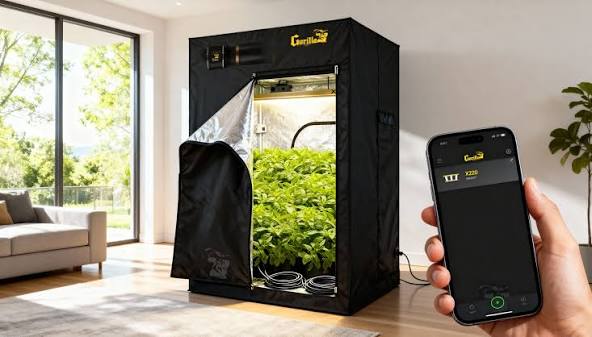
Indoor gardening has become a popular way to bring greenery into homes, apartments, and other limited spaces. Whether someone grows decorative houseplants, herbs, or small container plants, maintaining a consistent watering routine is an important part of everyday plant care. However, busy schedules and changing indoor conditions can sometimes make watering difficult to manage.
Plant irrigation systems and fabric pots offer practical solutions for organizing indoor gardening activities. Irrigation equipment can help deliver water more conveniently, while fabric pots provide an alternative to traditional plastic or ceramic containers. When selected according to plant requirements and available space, these products can make routine gardening easier and more organized.
Understanding their features, advantages, and maintenance requirements can help you choose suitable equipment for your indoor gardening setup.
1. Understanding Plant Irrigation Systems
A plant irrigation system is designed to deliver water to plants through a controlled arrangement. Instead of relying entirely on manual watering, gardeners can use different tools and equipment to make water distribution more convenient.
Common indoor irrigation options include drip systems, watering timers, self-watering containers, and simple reservoir-based arrangements.
Some systems use small tubes to transport water to individual containers, while others rely on water reservoirs that supply moisture gradually.
The appropriate choice depends on the number of plants, container arrangement, available space, and watering requirements.
2. Advantages of Using an Indoor Irrigation System
One of the main benefits of an irrigation system is convenience. Watering multiple containers manually can become time-consuming, especially when plants are distributed across shelves or different areas of a room.
A suitable irrigation arrangement can make routine watering more organized.
Important advantages include:
- More convenient water distribution.
- Reduced need for repeated manual watering.
- Flexible arrangements for different containers.
- Easier management of multiple plants.
- Support for a consistent watering routine.
However, an irrigation system does not eliminate the need to inspect plants. Water requirements can change according to plant species, container size, temperature, and growing medium. The store offers indoor gardening accessories for customers looking to Buy Grow Tent Carbon Filter products.
Regular monitoring remains important.
3. Exploring Different Types of Irrigation Equipment
Several irrigation products are available for indoor gardeners.
Drip irrigation systems use small tubes and emitters to deliver water to selected containers. They can be useful when managing several plants in an organized arrangement.
Self-watering systems use reservoirs that provide water to growing containers through suitable mechanisms. Their designs vary, so gardeners should check the manufacturer’s instructions.
Watering timers allow compatible irrigation equipment to operate according to selected schedules. These can provide additional convenience for people who want to automate parts of their watering routine.
Manual watering accessories such as watering cans and measuring containers remain useful for smaller indoor gardens.
Before purchasing, consider how much automation you actually need and whether the equipment is compatible with your existing containers.
4. Understanding Fabric Pots
Fabric pots are plant containers made from breathable textile materials. Unlike many conventional plastic pots, they have porous sides that allow air and moisture to move through the container material.
They are available in different sizes, shapes, thicknesses, and construction styles.
Some models include reinforced handles, while others are designed with simple lightweight structures.
Fabric pots can be used for various container gardening applications, provided their dimensions and material properties are suitable for the plants being maintained.
When choosing a product, check its material quality, stitching, capacity, and drainage characteristics.
5. Benefits of Fabric Pots for Indoor Gardening
Fabric pots offer several practical features that make them an interesting alternative to traditional containers.
Their breathable construction can support air movement around the growing medium. They are also generally lightweight and can be easier to move than some rigid containers.
Additional advantages include:
- Flexible storage when not in use.
- Availability in different sizes.
- Lightweight construction.
- Convenient handling with selected models.
- Compatibility with many container gardening arrangements.
Their porous structure can also allow moisture to escape more readily than from non-breathable containers. This means watering frequency may differ, depending on the growing medium and indoor conditions.
6. Choosing the Right Fabric Pot Size
Selecting an appropriate pot size is important for providing sufficient space for plant roots.
Small containers may be suitable for compact plants, while larger varieties may require additional growing medium and root space.
Before ordering, consider the plant’s expected size, root development, and the amount of available indoor space.
Fabric pots are often described by their capacity or dimensions. Compare these specifications rather than relying only on product photographs.
It is also useful to measure the intended placement area, particularly if the pots will be arranged on shelves, trays, or indoor gardening stands.
7. Combining Irrigation Systems with Fabric Pots
Irrigation systems and fabric pots can be used together to create a convenient indoor gardening arrangement.
For example, a compatible drip irrigation system may deliver water to individual fabric pots through adjustable emitters.
However, fabric containers have different moisture characteristics from many rigid pots. Their breathable sides can allow additional evaporation, so watering requirements may vary.
Use a suitable tray beneath each container to collect excess water and protect indoor surfaces.
Check that the irrigation equipment does not supply more water than the growing medium can manage. Regularly inspect the containers and surrounding area for excess moisture.
8. Maintaining Irrigation Equipment and Fabric Pots
Routine maintenance helps keep indoor gardening supplies in good condition.
Inspect irrigation tubes, connectors, emitters, and reservoirs for blockages, leaks, or visible wear. Clean reusable components according to manufacturer recommendations.
Fabric pots also benefit from regular inspection. Remove unwanted plant material and allow containers to dry appropriately between uses when necessary.
Before reusing fabric pots, follow suitable cleaning instructions and check that the stitching and handles remain in good condition.
Keeping equipment clean and organized can make everyday plant care easier.
9. Buying Irrigation Systems and Fabric Pots Online
Online grow shops and gardening retailers provide a wide selection of irrigation accessories and fabric containers.
Before placing an order, compare product dimensions, materials, capacity, included accessories, and prices.
Read customer reviews to learn about packaging, durability, and ease of installation. Also check shipping costs, return policies, and product availability.
If purchasing an irrigation kit, confirm that its connectors and tubing are compatible with the intended setup.
For fabric pots, pay attention to material thickness, stitching quality, and the availability of suitable sizes.
Conclusion
Plant irrigation systems and fabric pots can make indoor gardening more convenient by improving the organization of watering activities and providing flexible container options. Irrigation equipment supports controlled water distribution, while fabric pots offer lightweight construction and breathable material.
Choosing the right products requires considering plant requirements, container dimensions, irrigation compatibility, and maintenance needs. By combining suitable equipment with regular inspections and responsible watering practices, you can create a practical indoor gardening environment that is easier to manage and maintain.
